

Written By:

Driving smarter asset management
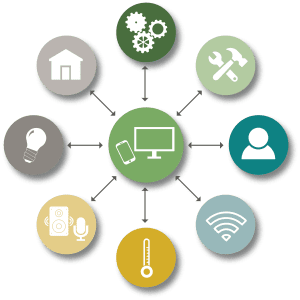
The world is seeing sensors integrated into every aspect of our lives, from dusk–to–dawn sensing elements on outdoor lights to Bluetooth meat temperature detectors. Combining various sensors with wireless network technology has made it possible to transmit near–real-time data from virtually any location. As a result, this can include even inaccessible or potentially dangerous ones, and data can be sent to computers and smartphones.
Leveraging the data from sensors empowers asset owners to develop smarter, more cost-effective asset management strategies in three ways: monitoring and managing premises, tracing lost or stolen assets, and tracking asset condition over its life cycle.
Monitoring and managing premises
We have come a long way from simple closed-circuit television surveillance and intrusion-detecting security systems. In addition to those functions, data sensors such as those for temperature, humidity, or even lights can allow business owners to monitor which areas of a business get used, by how many people, and when. In turn, they can remotely adjust thermostats or lock doors to unused spaces. This can save on energy bills and prevent unnecessary traffic in areas that may contain fragile equipment or valuable supplies.
Tracking lost or stolen assets
Most business owners have some system of tracking physical assets, from RFID in products to simple spreadsheets based on barcodes. Upgrading to more dynamic software and sensor technology provides valuable workflow improvements, such as a check-in/check-out function. This functionality can be further enhanced with data sensors, which can not only pinpoint an asset’s location, but also alert owners if an asset is removed from a designated area. Sensors paired with software reduce the amount of time spent locating misplaced or missing tools. Additionally, they offer a solid starting point in the event of theft.
Tracking asset condition over its life cycle
Introducing sensors takes tracking to another level, allowing the software to log information about the physical state of assets and predict when maintenance, repair, or replacement may be needed. For instance, wireless sensors installed on motors, engines, door mechanisms, or other machinery can measure vibration, temperature, and pressure. In addition, they alert operators when changes are detected and adjust life cycle expectations based on real-world wear-and-tear. In theory, this could reduce equipment breakdowns to zero.