
Environmental Remediation Services in North Carolina and the Southeast
Contaminated soil, soil vapor, groundwater, and surface water can create significant challenges for property owners, developers, municipalities, and project teams. WithersRavenel provides environmental remediation services that help clients address contamination, reduce risk, comply with local, state, and federal regulations, and move properties toward safe, productive use.
Serving clients across North Carolina and the Southeast, our environmental professionals deliver remediation solutions that are technically sound, regulatory-focused, and aligned with each client’s goals. From investigation and risk assessment to remediation system design, implementation, monitoring, and site closure, WithersRavenel helps clients manage environmental challenges with confidence.
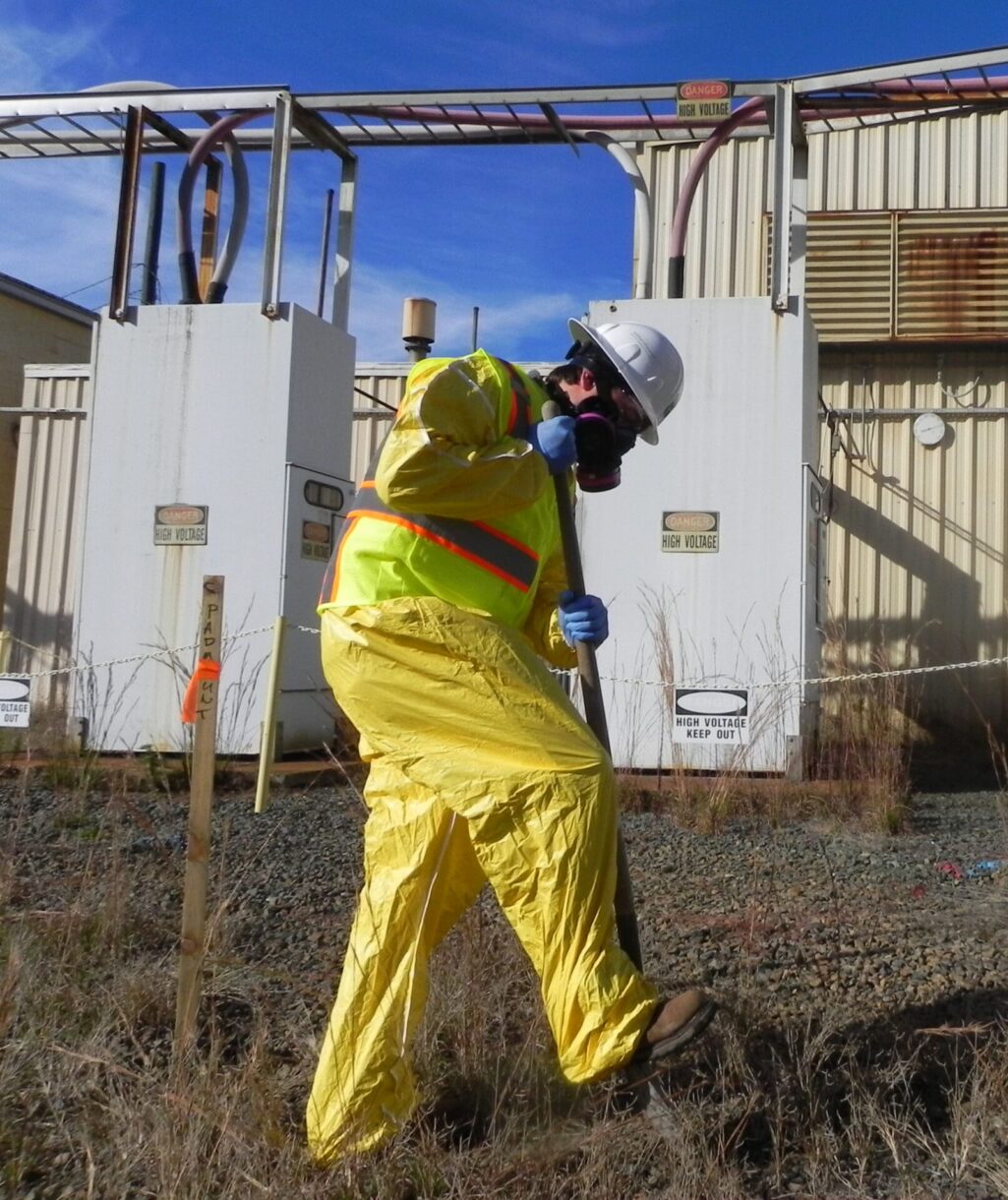
Protecting People and the Environment through Soil, Soil Vapor, and Groundwater Remediation
Effective remediation starts with a thorough understanding of site conditions. WithersRavenel performs subsurface environmental investigations to characterize contamination type, extent, depth, and potential migration pathways. This information helps determine the most practical and effective remediation strategy for each site.
Our team evaluates risks to human health and the environment, identifies regulatory requirements, and develops solutions designed to reduce contamination, support compliance, and protect surrounding communities and natural resources.
Specialized Remediation Expertise
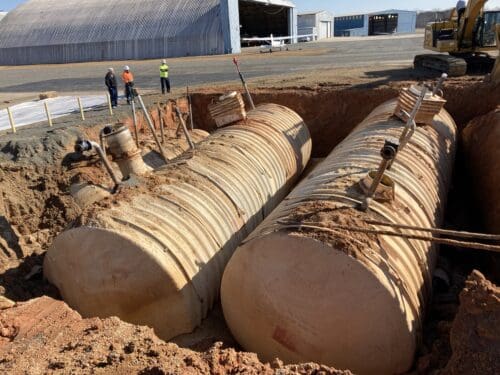
Petroleum Remediation Experience
WithersRavenel has extensive experience supporting petroleum remediation projects throughout the Carolinas. We help clients address petroleum-contaminated soil and groundwater with practical solutions that reduce risk, support compliance, and advance sites toward closure. Our team evaluates contamination from underground storage tanks, historical property uses, and accidental releases to develop effective remediation strategies.

Inactive Hazardous Site Remediation Support
WithersRavenel supports properties participating in the Inactive Hazardous Sites Branch Program, including Registered Site Manager services when needed. We assist with investigation, remediation, monitoring, reporting, and regulatory coordination to help clients meet cleanup goals.

Turnkey Remediation Solutions
WithersRavenel provides turnkey remediation services, including pilot testing, system installation, operation, maintenance, and monitoring. Our capabilities include air sparging, chemical injection, soil vapor extraction, pump-and-treat systems, natural attenuation, and other proven remediation technologies.
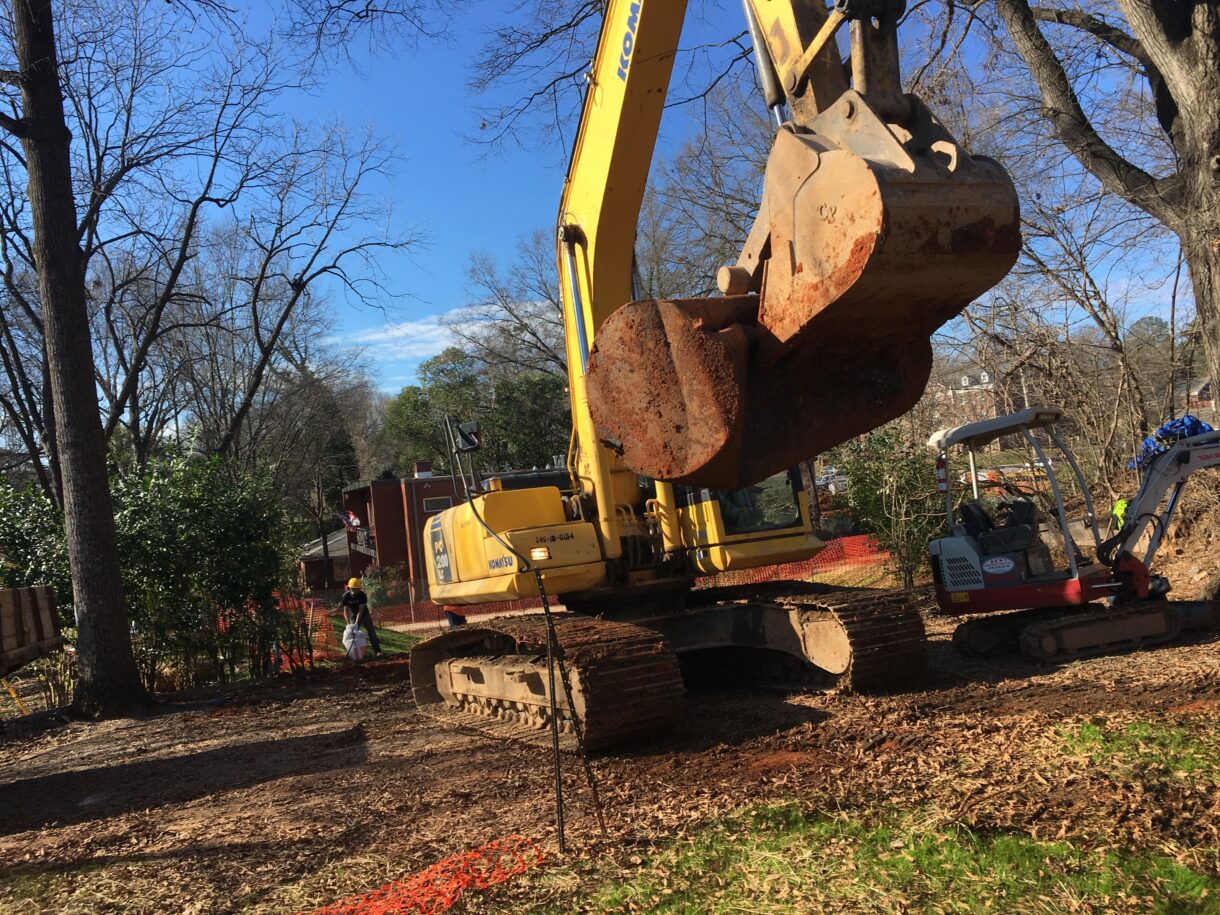
Case Study
-
- Client
- Lambert Development LLC
-
- Project Location
- Raleigh, NC
The Lansing is a condominium development located within Raleigh’s charming Village District. Before site redevelopment and construction, the property was found to have an underground storage tank (UST) and petroleum-impacted soil due to previous uses
View Project DetailsContact WithersRavenel for Environmental Remediation Services
Need help addressing contaminated soil, soil vapor, groundwater, petroleum impacts, or hazardous substance concerns? Contact WithersRavenel to discuss environmental remediation services for projects in North Carolina and throughout the Southeast.
Our team can help you understand site conditions, evaluate regulatory requirements, develop a remediation strategy, and determine the next steps to move your project forward.
