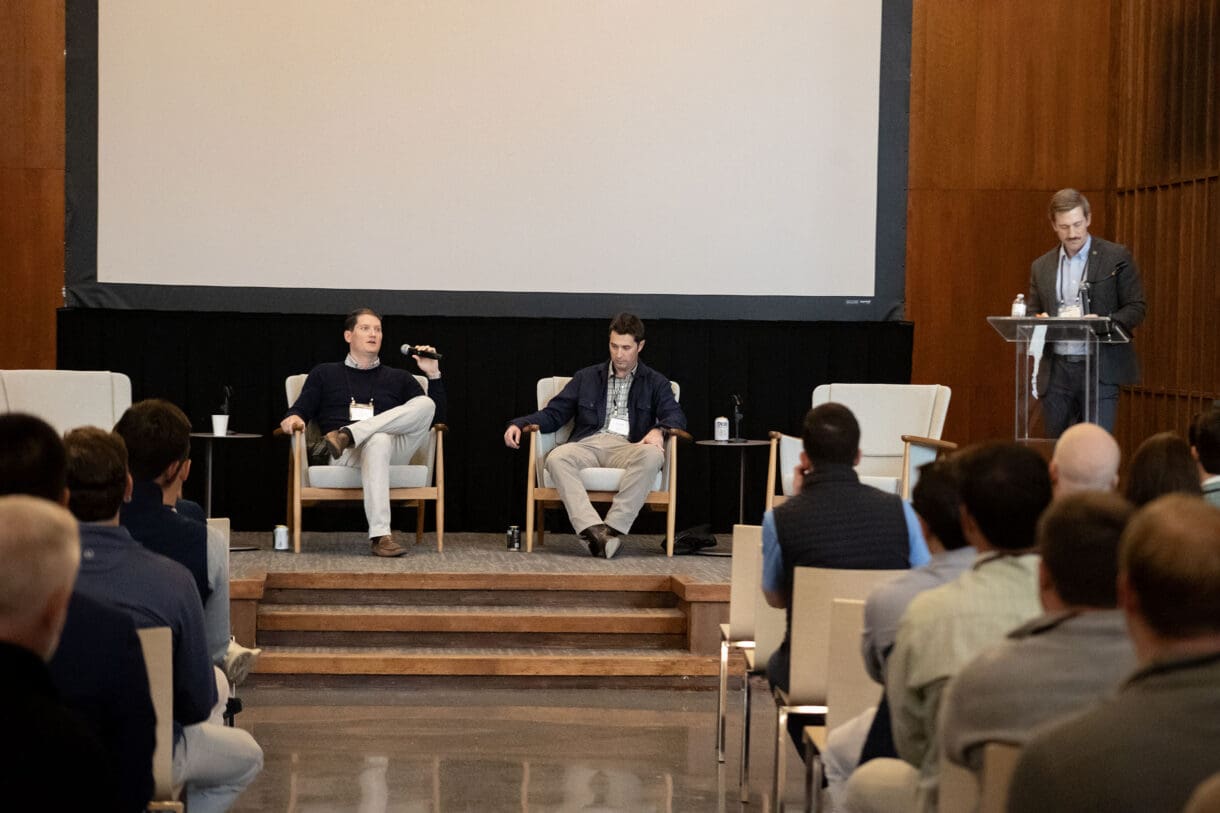
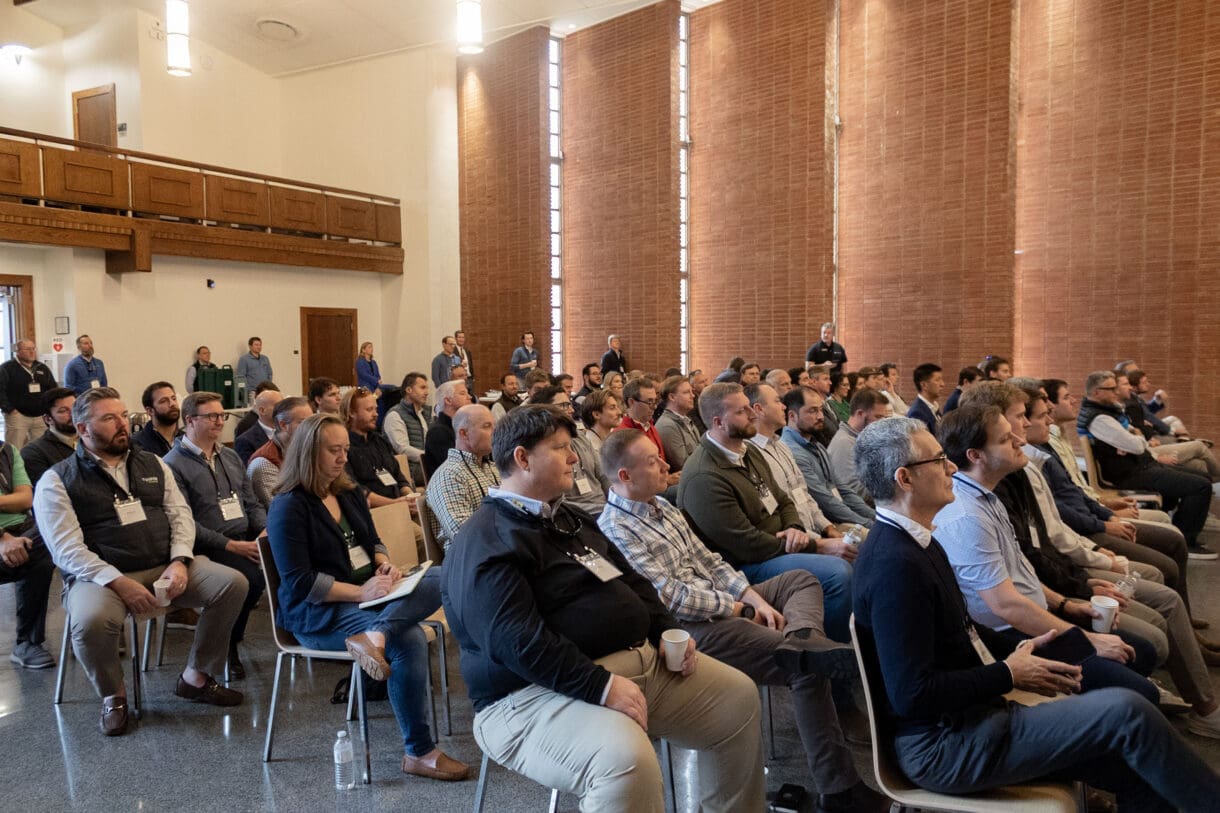
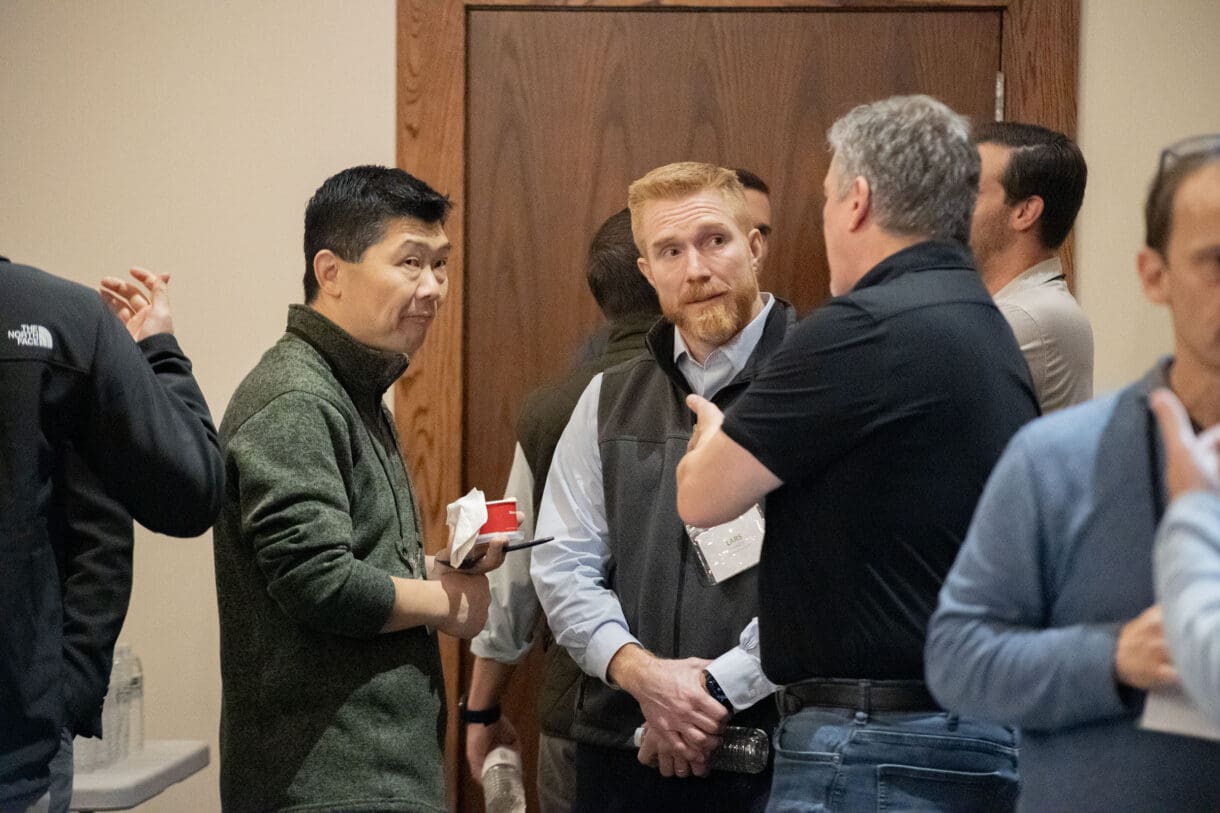
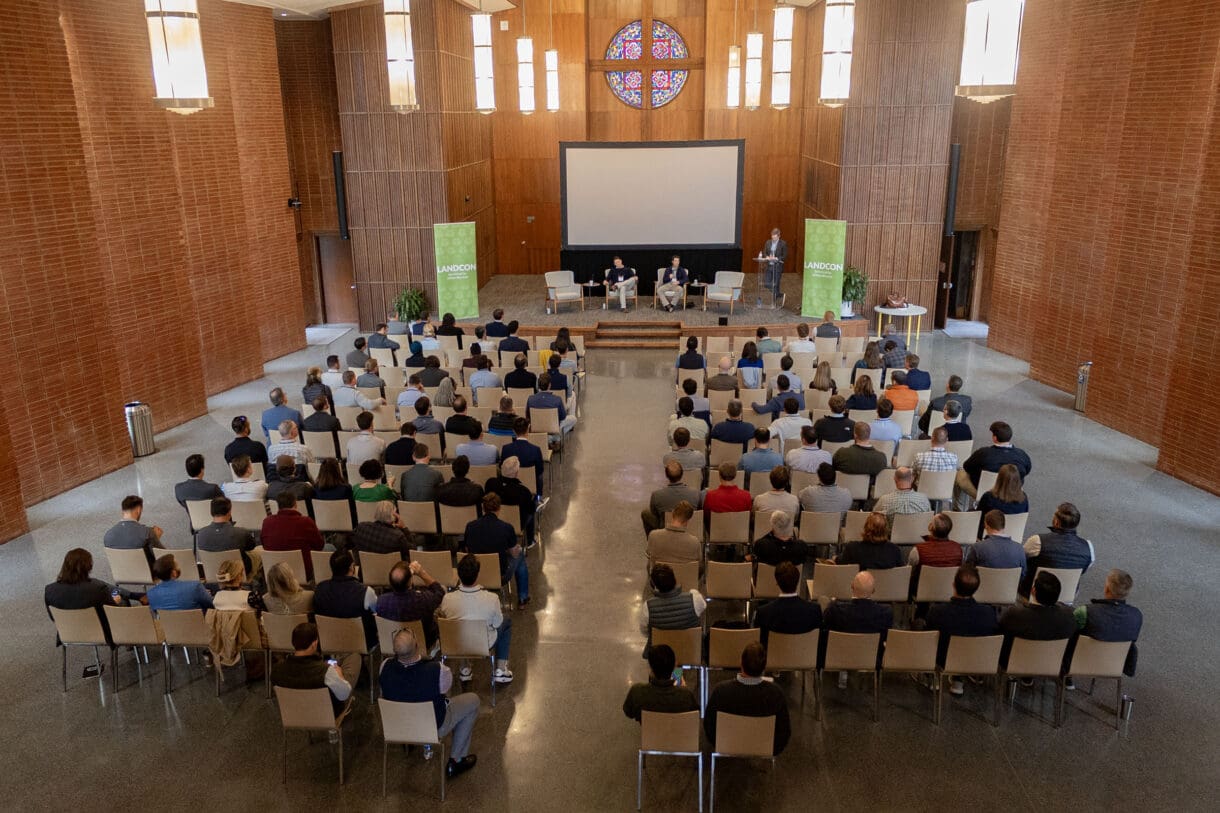
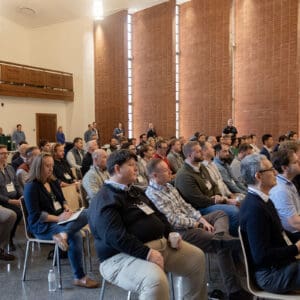
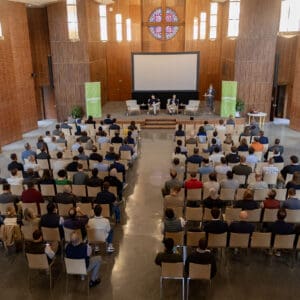
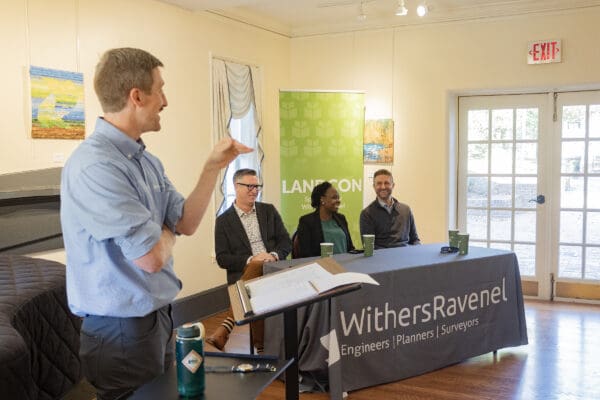
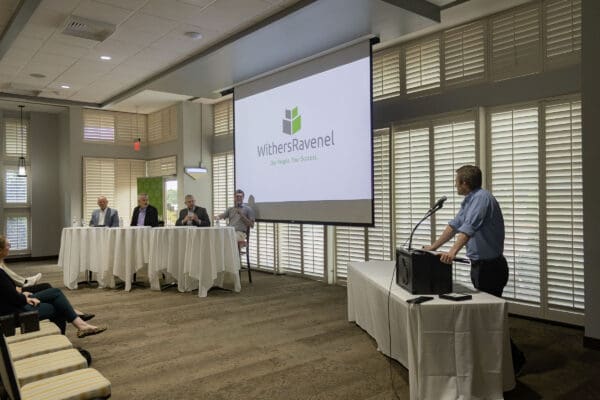
WithersRavenel recently hosted another LandCon event at the All Faiths Chapel in Dorothea Dix Park, bringing together leaders from across real estate, development, planning, and economic development to explore the region’s current state and its future direction.
Jed Byrne of WithersRavenel returned as host, guiding two focused panel discussions that tackled both the broader land market and the impact of large-scale placemaking investments like Dix Park.
Panel 1: The State of the Triangle Land Market
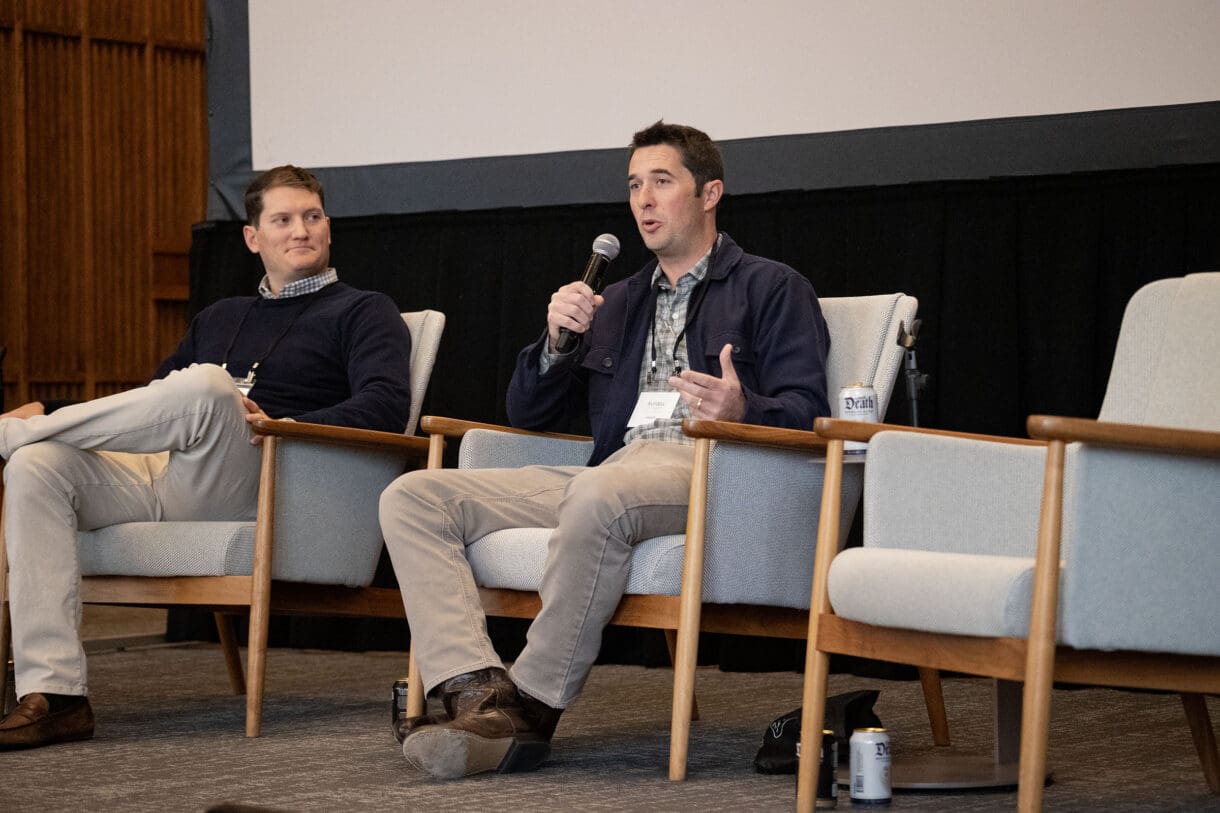
Russell Stewart, Vice President and Principal at Lee & Associates, and Teddy Hobbs of JLL Capital Markets, led a candid conversation on the challenges facing today’s market. Topics included absorption issues in office and multifamily, rising development costs, entitlement timelines, utilities constraints, and the scarcity of high-quality, infill land. While the environment remains difficult, both speakers pointed to emerging opportunities in infill industrial, flex, and build-to-suit office projects for those able to plan long term.
Panel 2: The Dix Park Development Ecosystem
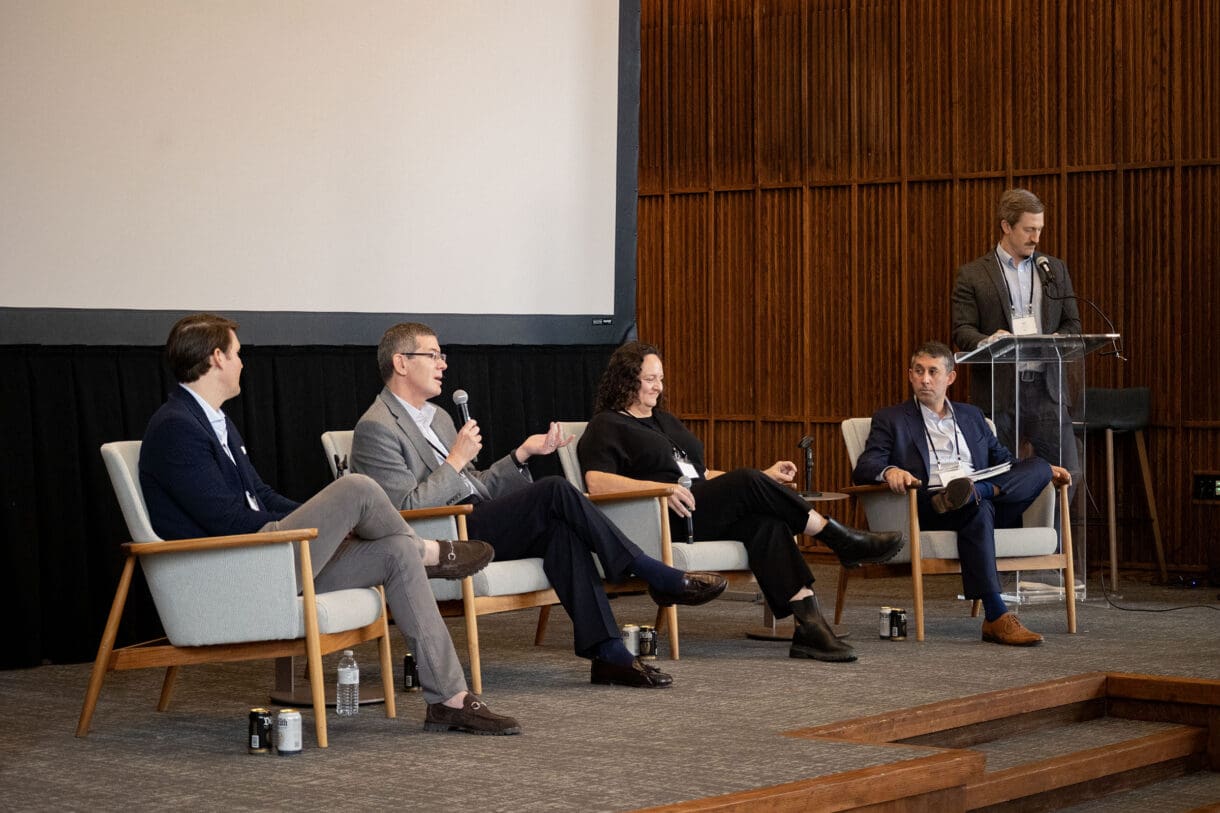
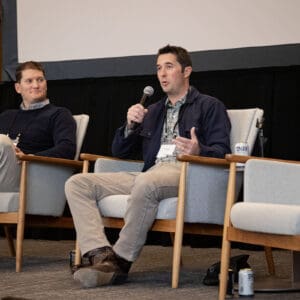
The second panel shifted focus to how major destination parks can drive active development and long-term community value. Jeff Marcus of Mack Real Estate Group, Drew Yates of Kane Realty, Ruffin Hall of Dix Park Conservancy, and Kate Pearce of Dix Park shared insights on investment in and around Dix Park and the surrounding area.
Key themes included the importance of understanding target demographics and branding when planning destinations; using data tools like Placer.ai to track park usage, visitor origin, and programming success; and the critical role of connectivity through greenways, surrounding neighborhoods, and business districts. Panelists emphasized that strong infrastructure, creative design that connects indoor and outdoor spaces, and true public-private partnerships are essential to building lasting, active communities.
LandCon Raleigh reinforced that while today’s land market is complex, intentional planning, collaboration, and investment in meaningful destinations can help shape a more connected and resilient future for the region.