Written By:

Communities across the Carolinas are facing a growing challenge: wet weather events are becoming more frequent, more intense, and more disruptive. As these storms strain both stormwater and utility systems, the question becomes clear: How do we build infrastructure resilient enough to weather the unknown?
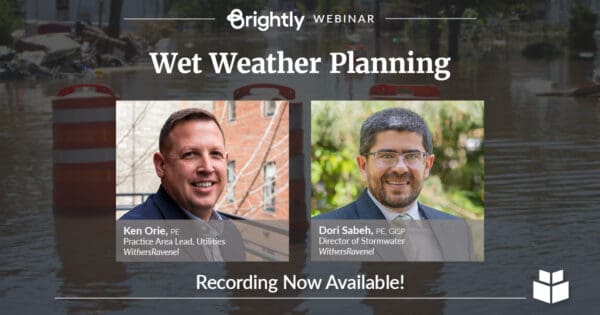
At this year’s South Carolina Rural Water Association (SCRWA 2025) Annual Conference in Myrtle Beach, WithersRavenel’s Brandon Campo, Project Engineer, Stormwater, and Hamed Ghodsi, Project Engineer, Utilities, will tackle this challenge head-on.
Wet Weather Planning: Predicting the Rain Versus Building the Ark
Wednesday, November 19
8:30 AM
Marriott Myrtle Beach Resort & Spa at Grand Dunes
Why Wet Weather Planning Matters Now More Than Ever
For decades, communities in the Northern United States with combined sewer systems relied on Long-Term Control Plans (LTCPs) to analyze rainfall patterns, design solutions, and secure EPA approvals. While these lessons have shaped wet weather discussions in the Carolinas, the landscape is shifting.
Only recently have sanitary sewer overflows (SSOs) driven compliance efforts and infrastructure investments in the region. As communities grapple with aging systems, environmental pressures, and rapid growth. Wet weather planning has become both a regulatory expectation and a practical necessity.
Yet designing resilient systems isn’t just about bigger pipes—it requires a holistic understanding of how stormwater and sanitary systems interact in the real world, often in unpredictable ways.
A Realistic, Holistic Approach to Planning
Effective wet weather planning must account for environmental realities, operational constraints, and community expectations. In North Carolina and beyond, selecting the right design rainfall event is critical. Additionally, establishing a realistic level of service significantly influences project feasibility and affordability.
For example, areas that already experience home flooding during a 10-year storm cannot realistically design sanitary sewers to “accommodate” such rainfall. Flooded drains connected to the sewer system can allow river water to infiltrate pipes. This dramatically increases flows even before rainfall is considered.
These real-world dynamics demand that engineers and utilities set clear, achievable performance targets that balance cost, service expectations, and regulatory requirements.
What You’ll Learn in This Session
Brandon and Hamed will break down practical strategies for preparing both stormwater and sanitary systems for wet weather impacts, including how to integrate growth, hydrology, water quality, and capital planning into a unified framework.
Attendees will gain insights on:
Planning Strategies
- Establishing a service level informed by historic events, design storms, and anticipated growth
- Understanding wet weather patterns and their impact on sanitary sewer performance
- Integrating stormwater and wastewater considerations to support water quality goals
Key Takeaways
By the end of the session, participants will be able to:
- Explain how surface flooding and stormwater operations directly impact sanitary sewer flows
- Identify modeling tools that help predict wet weather behavior in both storm and sanitary systems
- Apply planning tools that incorporate both growth and wet weather into long-term capital investment strategies
Meet the Speakers
Join the Conversation in Myrtle Beach at SCRWA 2025
If your community is dealing with wet weather challenges or preparing for the ones to come, this session will offer actionable insights from engineers who have helped guide both Northern and Southern communities through these complexities.
Come to SCRWA 2025 to learn how to predict the rain, when you might need to build the ark, and how to plan infrastructure that stands ready for whatever comes next.