Written By:

Environmental restoration, at its heart, is about returning damaged or degraded habitats or ecosystems to a healthier, more natural, functioning state.
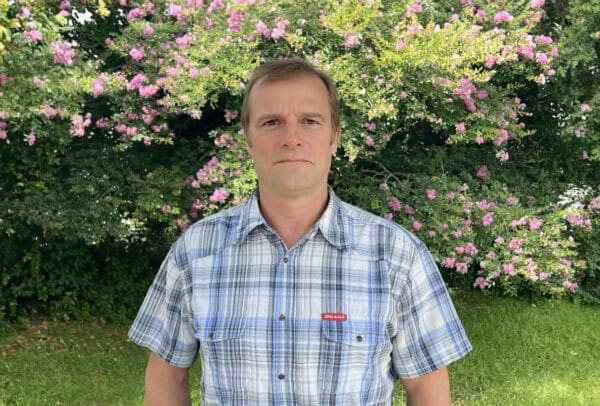
Joel Lenk is a senior project manager and professional geologist in the stormwater department at WithersRavenel. He has 25 years of experience working on a range of environmental restoration projects, from groundwater to soil, streams, wetlands, and other complex ecosystems. As a result, Joel understands our state’s unique environmental qualities. He has worked on projects in the coastal, piedmont, and mountain regions of North Carolina. Additionally, he has worked in South Carolina, and Georgia. Joel is supported on restoration projects at WithersRavenel by Warren Eadus, practice area lead for the environmental department; Nick Childs, a project engineer formerly with the U.S. Forest Service specializing in environmental restoration; and Marshall Wight, a geomatics director and professional land surveyor. There is also a host of other environmental professionals and engineers involved.
“When people think of restoration, a common thought is streams,” Joel said. “But restoration can apply to open water, wetlands, riparian areas, and uplands. Many forms of restoration are heavily related to stormwater and its management; runoff has the potential to sustain as well as cause severe damage to ecosystems.”
Assessing a site
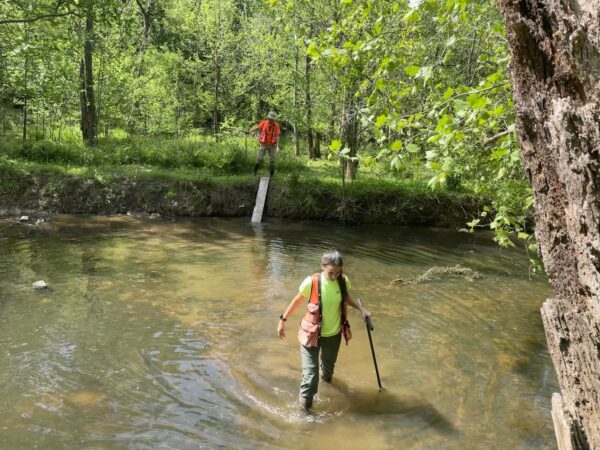
The first step in the restoration process involves an assessment of a site. It also involves research necessary to know what the site was historically. This helps with development of a reference condition. This way, restoration efforts and goals can be established. Joel said that this requires knowledge of what plants, animals, and the overall environment existed at the site previously. Acquiring that information and being able to measure the impacts that have occurred are critical to developing a design for restoration and monitoring. Also, this is critical to the attainment of required regulatory permits.
The restoration process typically involves removing or mitigating the source of and repairing negative impacts. It also means rebuilding habitats, and re-establishing native soils/substrate, plants, and animals. Joel cited reforestation as an example of environmental restoration. This could occur in wetland, stream, riparian, or upland areas. It could also occur across all these areas, depending on the site.
Broad knowledge lays the groundwork
Additionally, a team with broad environmental, ecological, and engineering knowledge, like the team at WithersRavenel, is critical to achieving a successful restoration project.
“Also, when assessing an impaired area and designing a restoration, it is important to recognize that it is unlikely that a restoration can return an area to an undisturbed natural condition,” Joel said. “Most times, as professionals, the goal is to provide stabilization, habitat attributes, and native species to return a site to a more natural state of equilibrium that can evolve and function as a more natural environment.
“In other words, promote natural processes that benefit land quality, water quality, air quality, and native habitat,” Joel said. The design should focus on “getting the environment back to a place that nature can take over and manage on its own in a more resilient and productive state.”
After the initial assessments, restoration designs, and monitoring plans are complete, regulatory permits are issued, and construction of the restoration takes place. Post-construction monitoring then plays a vital role going forward. Only by tracking the environmental changes that result from a restoration project can we understand if the design was successful, what can be adjusted for the current project, and what be done differently for the next project. Monitoring is necessary to advance the science of restoration and to provide future benefits to all.
Do you have an environmental restoration project in mind in your community? Contact Joel at 828-280-8375 or jlenk@withersravenel.com.
Let's Connect!