Written By:

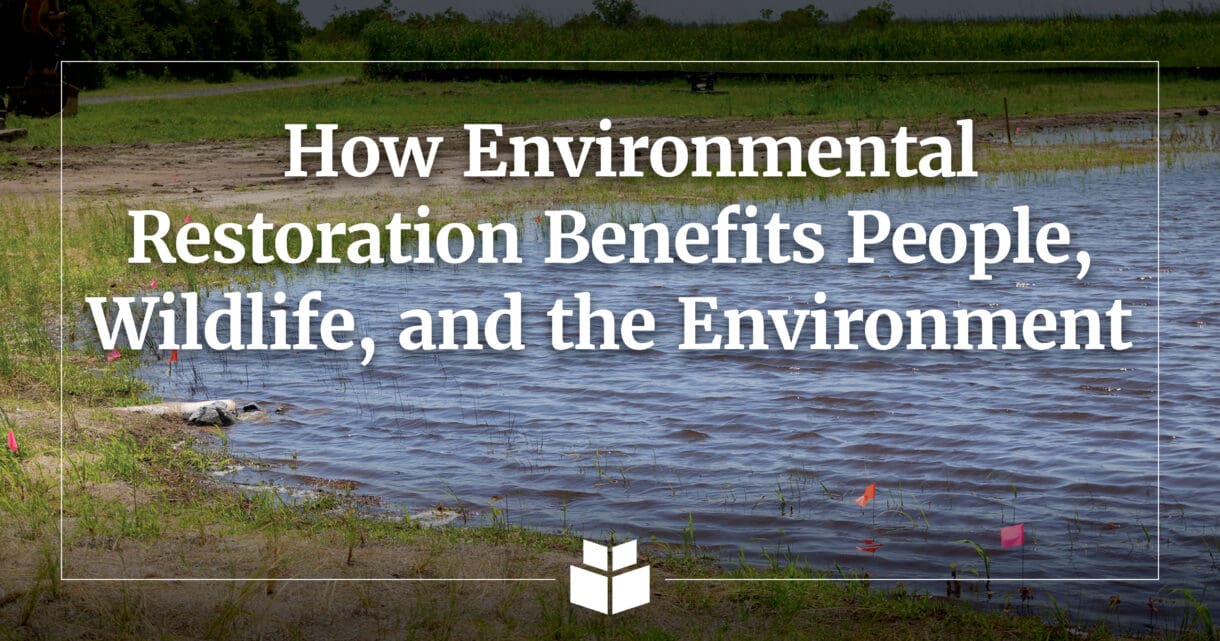
At WithersRavenel, our environmental and stormwater professionals often work on restoration projects to satisfy government regulations, to meet required standards for specific development or infrastructure expansion, or to address damage from catastrophic events. But the greater result of restoration projects are the benefits to people, wildlife, and the local environment.
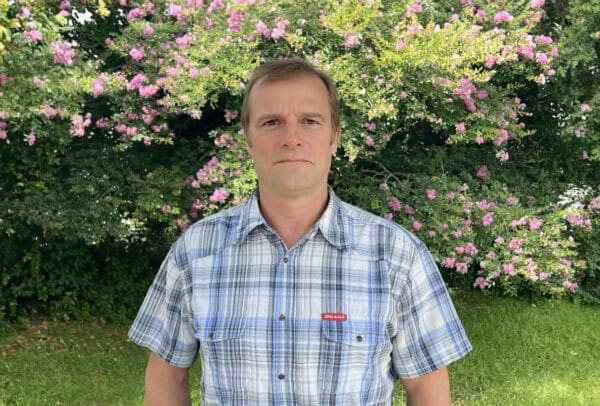
Joel Lenk is a senior project manager and professional geologist in the stormwater department at WithersRavenel. He has experience working on a range of environmental restoration projects and understands the myriad environmental rules and regulations that often affect development plans.
Ideally, a project could be completed with no environmental impact to a site. When that is not the case, environmental and building regulations are in place to avoid and minimize environmental impacts while still allowing for development options.
However, what if a site’s environment has been negatively impacted before your proposed development? Or, what if permits were not needed at the time of the original development, or the site’s use is changing and regulations require environmental restoration? Maybe you intentionally acquired a degraded site and have an interest in nature-based solutions and returning the site to a more natural functioning state.
Benefits can be substantial
When environmental restoration is required at a site, the benefits can extend beyond simply checking the boxes to satisfy government regulations. Joel cited an example of a current project.
A Town is purchasing a piece of land, and the site’s use will change from agricultural to municipal and public use. The change in use will require, and the Town is interested in, restoring the land to function as more of a natural environmental system rather than maintaining the antiquated system for growing row crops. Environmental restoration will need to be assessed, designed, permitted, constructed, and monitored for the project to be successful. Changes to the site will involve modern, permittable stormwater management and environmental restoration design that will restore natural drainage patterns, streams, vegetation and habitat features. The project must also be aesthetically pleasing and allow the property to be used for municipal and recreational purposes.
“The challenge is how to best benefit everything, wildlife, habitat, and also humans,” Joel said. “Ultimately, a healthy environment benefits humans with better land, air, and water quality.
“These kinds of projects are also a great opportunity for environmental education. Civic projects show the public what can be done and how effective stormwater management and restoration are beneficial and can contribute to the human and natural environment.”
Environmental stewardship
Joel and the team of professionals at WithersRavenel understand the challenges inherent to environmental restoration, stormwater management and site development in general. Helping businesses, municipalities and communities develop useful and valuable projects while also being responsible stewards of the environment are a passion and focus of our company.
“Certainly, regulations have gotten stricter over the years,” Joel said. “But in the long term, the environmental benefits to people, wildlife, and the planet through restoration and responsible development outweigh short-term expenses and are deeply valuable.”
Do you have an environmental restoration project in mind in your community? Contact Joel at 828-280-8375 or jlenk@withersravenel.com.