

Written By:


How local governments can connect infrastructure priorities with the right funding strategy, program, and timeline.
North Carolina added approximately 146,000 residents between July 2024 and July 2025, bringing the state’s population to 11.2 million. It also ranked first nationally for domestic migration and remained the third-fastest-growing state by percentage. That growth creates opportunities, but it also increases the cost and complexity of maintaining the infrastructure communities depend on. (North Carolina Office of the Governor)
For local government leaders, identifying an infrastructure need is only the beginning. The larger challenge is determining how to move that need from a technical finding to a funded and completed project.
Funding cannot be treated as the final step after a project list has already been established. It should help shape priorities, scopes, schedules, and implementation strategies from the beginning.
A Capital Plan Needs a Funding Path
Communities often have more infrastructure needs than they can address within a single budget cycle. A hydraulic model may identify a water or wastewater constraint. An asset assessment may show that critical infrastructure is approaching the end of its useful life. Staff may also be responding to regulatory requirements, development proposals, service demands, and community expectations.
These findings help define what a community needs, but they do not automatically determine which projects are ready to move forward or how they should be funded.
A strong funding and finance strategy connects project needs with program requirements, local budgets, debt capacity, timelines, and long-term financial responsibilities. It should help leaders answer:
- Which projects address the most urgent risks or create the greatest community benefit?
- Which needs can be combined into a stronger, more efficient project?
- Which projects align with available federal, state, or private funding programs?
- What local funds, matching dollars, rates, fees, or financing may be required?
- How will each investment affect future budgets, operations, and financial sustainability?
Without those answers, a capital improvement plan can become a list of valid needs without a clear path to implementation.
Find the Right Fit, Not Just an Open Program
The availability of a grant or loan does not necessarily mean it is the right fit for a project. Every funding program has its own eligibility rules, deadlines, match requirements, scoring criteria, documentation expectations, and compliance standards.
Communities can improve their funding position by looking beyond the amount available and considering how well the project aligns with the program’s purpose. A project may be technically important but still need a clearer scope, stronger cost estimate, additional planning, or better documentation before it can compete successfully.
The funding source may also influence how the project is packaged. In some cases, a large infrastructure need may be divided into planning, design, land acquisition, and construction phases. In others, related needs may be bundled into a broader project that creates greater public benefit or aligns more closely with program criteria.
This is where infrastructure funding and capital planning should work together. By identifying projects, grouping compatible needs, and aligning them with appropriate funding sources, communities may be able to advance more work while preserving local dollars for other priorities.
Build Funding-Ready Projects Before the Deadline
Funding opportunities do not always appear on a community’s preferred schedule. Application windows can be short, while the information needed to compete may take months to develop.
A funding-ready project typically has:
- A clearly documented infrastructure or community need
- A defined scope and realistic cost estimate
- Data showing the project’s public health, environmental, economic, or service benefits
- Preliminary studies, engineering, or planning appropriate to the funding program
- An achievable schedule and identified local responsibilities
- A plan for matching funds, cash flow, administration, and long-term operations
Preparing these elements early can help a community respond when funding becomes available instead of beginning the planning process after a deadline is announced.
Technical tools can support this work without becoming the focus of the funding strategy. Hydraulic modeling can document system constraints and test potential improvements. GIS and asset management data can show where needs are located and who may be affected. Lifecycle planning can demonstrate how investment or delay may influence long-term condition and cost.
Together, this information helps establish a measurable need and strengthens the case for why a project deserves funding.
Plan Beyond the Application
Securing an award is an important milestone, but it is not the end of the funding process.
Grant and loan programs can include detailed requirements for contracts, procurement, labor standards, reporting, reimbursement requests, project documentation, and closeout. Missing a deadline or failing to meet a program requirement can delay reimbursements or place awarded funds at risk.
That is why communities should consider administration and compliance before submitting an application. Staff capacity, consultant responsibilities, reporting systems, and internal financial procedures should all be part of the plan.
End-to-end grants and loans consulting connects funding identification and application development with administration after an award. This continuity helps communities maintain documentation, meet program requirements, and keep projects moving through implementation.
Balance Funding Success With Financial Sustainability
Outside funding can help a community advance critical infrastructure projects, but grants and loans should be considered within a broader financial strategy.
Grants are competitive and may require a local match. Low-interest loans can reduce borrowing costs, but repayment still affects future budgets. Some projects may require enterprise fund revenue, utility rates, stormwater fees, general fund contributions, bonds, installment financing, or a combination of sources.
A successful strategy should account for debt capacity, projected revenues, future expenses, reserves, rate impacts, and ongoing maintenance. The goal is not simply to win funding. It is to build a plan the community can afford to implement and sustain.
Turn Infrastructure Needs Into Fundable Action
Proactive capital planning brings technical, financial, and operational perspectives together before a project reaches a funding deadline.
When communities begin with a clear understanding of their needs, evaluate the right funding paths, prepare projects early, and plan for administration, they are better positioned to move from infrastructure risk to completed improvements.
The result is more than a project list. It is a coordinated roadmap for investing in infrastructure while protecting the community’s long-term financial health.
Let’s Connect
Is your community prioritizing infrastructure needs, preparing for an upcoming funding opportunity, or trying to align capital projects with a sustainable financial strategy?
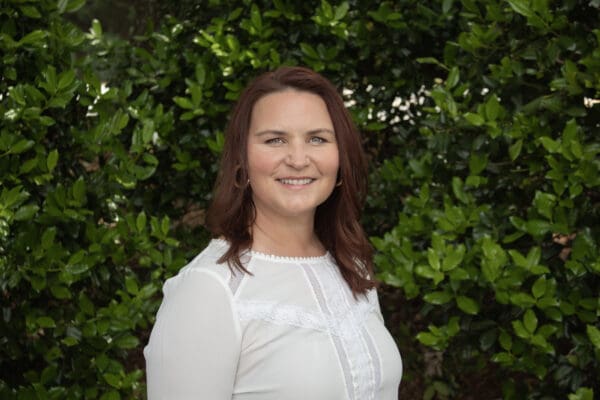
Connect with Amanda Whitaker, Director of Funding Services, and WithersRavenel’s Funding & Finance team to discuss how your community can identify appropriate funding paths, prepare competitive projects, and manage awarded funds from application through implementation.
You Might Also Be Interested In...



About the Author
Amanda Whitaker
Director of Funding Services
Amanda's experience is concentrated in grant writing, grant administration, and community and economic development projects. She has successfully written and administered grants for projects all over North Carolina for economic development, neighborhood stabilization, housing rehabilitation, parks and recreation, public infrastructure, and downtown revitalization.