Written By:

When Tropical Storm Helene ravaged Western North Carolina (WNC) in 2024, it delivered nearly 28 inches of rain in a short period of time, overwhelming mountain valleys and damaging water systems, roads, parks, and public spaces across the region. More than a year later, the visible signs of progress only tell part of the story.
WithersRavenel Environmental Practice Area Lead Warren Eadus, who has been managing and supporting FEMA-funded projects since the storm, describes the recovery timeline plainly: “It’s a long process… and it just doesn’t seem like it can happen fast enough.”
The Immediate Phase of Recovery
Early milestones immediately following a natural disaster include increased focus on debris removal, largely handled by the U.S. Army Corps of Engineers (USACE) following Helene in WNC. Emergency phases, such as debris removal and emergency protective measures, assist towns in their immediate crisis recovery and reopening or repair of critical infrastructure.
“It doesn’t mean that all the debris is cleaned up,” Warren explains. “It’s just what they decided they would clean up is achieved.”
Once impacted communities have addressed their emergent needs, they can better focus their time and attention on more permanent in-kind repairs and discuss opportunities with funding agencies regarding how to effectively make their damaged facilities more resilient for future events. During this phase, all parties must closely coordinate and document the damage, dimensions, and descriptions of impacted facilities to determine eligibility for funding and reimbursement.
Details matter at this stage and contribute significantly to the success of project development and funding opportunities when reviewed for obligation and award.
Assistance Options
FEMA recovery is most often a combination of two funding tracks, which serve different purposes:
- Public Assistance (PA) generally arrives first and is focused on immediate recovery work, such as the rebuilding and repair of damaged facilities to their pre-disaster condition so that essential services can be restored.
- Hazard Mitigation Grant Program (HMGP) usually comes later, as it is based on a percentage of the total disaster assistance provided (including PA). Funds provided for mitigation projects reduce or eliminate long-term risks from future disasters, may include, but are not limited t,o structural upgrades, property relocations, and resilience measures designed to prevent repetitive losses.
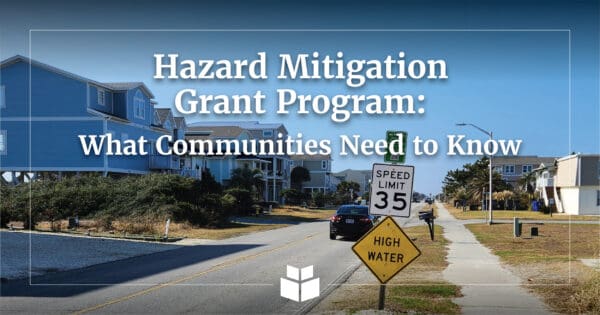
Hazard Mitigation Grant Program: What Communities Need to Know
“There’s a point where it doesn’t make any sense to keep doing the same thing,” Warren notes. “In some cases, it’s relocating a facility or infrastructure altogether.”
A prerequisite for receiving HMGP funding is understanding, reviewing, and permitting any likely new environmental impacts.
“To rebuild more resiliently, you need to make some changes,” Warren says. “On a lot of these projects, my team makes sure that what we’re about to do isn’t inadvertently causing some harm.”
Vulnerable Small Municipalities
Helene demonstrated how vulnerable WNC’s rural towns can be, particularly when they lack the staffing or tax base needed to rebuild critical infrastructure.
“Some of these places are very small with a small tax base,” Warren observes. “They just don’t have the resources.”

Need for Long-Term Fixes
While most roads are now passable and basic services have been restored, many of these fixes remain temporary and require permanent solutions.
“It’s all Band-Aid,” Warren emphasizes. “But we’ve got to get it ready for the next hundred years.”
Behind those temporary solutions are environmental and historic reviews required whenever federal dollars are used.
“You don’t want to think you’re doing great stuff and then find out you’ve messed something else up inadvertently,” Warren adds. “The wheels of the federal government are huge, and they turn real slow, but they don’t ever stop.”
Some efforts, such as widespread culvert replacement in places like Pisgah Forest, carry decade-long timelines. Full recovery is not measured in weeks, but in months—and sometimes years.
WithersRavenel’s funding experts work alongside environmental specialists, planners, and engineers to maintain project continuity. This coordinated approach helps communities avoid gaps between FEMA Public Assistance and Hazard Mitigation Grant Program funding.
Their focus is on sequencing recovery and mitigation strategies effectively, allowing communities to move from immediate repairs to long-term resilience rather than settling for fragmented, temporary fixes.
The Pace and What’s Needed
Communities take different approaches to recovery timelines, often influenced by their financial flexibility. Some have the resources to move forward immediately while awaiting reimbursement, while others must confirm eligibility for federal assistance before proceeding.
Warren describes the recovery and reimbursement process as a true test of endurance, emphasizing the importance of understanding what costs are eligible.
“In all these municipalities and counties, they’ve got their fiduciary responsibility to their constituents,” Warren explains. “And so, it’s incumbent on them to fully understand how reimbursement is going to work and what can be done.”
The strain on local government staff is significant.
“I’ve seen it take a toll,” Warren shares. “You see somebody you haven’t seen in a few months, and they look like they’ve aged 10 years.”
These are the individuals working to restore water treatment plants, rebuild parks, and reopen civic spaces. In one community, the public park that served as both a polling place and recreation hub is only now beginning to reopen—and still without restrooms.
Warren acknowledges the difficult position municipalities face while also recognizing the accountability required by federal agencies.
“FEMA is making sure that these dollars are being spent wisely,” Warren says. “There’s got to be some accounting and control, and that takes time. It has to be reviewed, it has to be vetted, and it goes through all these steps.”
He adds that WithersRavenel’s role is to help communities navigate the process as smoothly as possible, ensuring recovery efforts lead not only to restoration, but to stronger, more resilient infrastructure for the future.
Contact Warren Eadus to discuss your community’s recovery and resilience needs.