
Written By:


Vapor Intrusion: What You Need to Know
Buildings shelter us from wet weather, extreme temperatures, and poor outdoor air quality. However, what happens when vapors produced by underground contaminants start seeping into the foundations of homes and workplaces? These vapors can pollute indoor air. It’s time to talk about vapor intrusion.
What is vapor intrusion?
Vapor intrusion is the movement of chemical vapors from contaminated soil and groundwater into overlying or nearby buildings. Vapor can enter through openings or cracks in the building foundation or through naturally occurring pores in concrete. Once inside, vapors can accumulate and pose short- and long-term health risks to building occupants.
What causes vapor intrusion?
Vapor intrusion can result from natural processes and human activities.
An example of vapor intrusion arising from natural processes is radon. The radioactive decay of radium releases this colorless, odorless, and flavorless gas. Radium can be found in rocks like granite and shale. If a building sits on these rocks, or uses granite tiles or countertops, radon may build up inside.
An example of vapor intrusion stemming from human activities is a petroleum or chlorinated solvent release. These chemicals are commonly stored at gas stations, fuel oil distribution sites, and dry-cleaning businesses. When these facilities have a leak or spill, chemicals can enter the soil or groundwater. As a result, they can spread and release toxic or combustible vapors.
What are the risks associated with vapor intrusion?
Vapor intrusion poses two kinds of risk: health risks and risk of combustion.
Health risks vary widely based on chemical type, concentration, and duration of exposure. Some examples of the health effects of vapor intrusion include:
- Headaches
- Changes in mood or behavior
- Increased risks of some cancers
Risk of combustion occurs with specific chemical compounds. These compounds can mix with air and act as a catalyst for fire. They may even cause an explosion, which can be especially dangerous if the building contains flammable materials.
Are there ways to prevent or mitigate vapor intrusion?
Eliminating soil or groundwater contamination releasing vapors is the most effective way to address vapor intrusion. However, completely removing contaminated material may be logistically difficult or prohibitively expensive. That is why the U.S. Environmental Protection Agency (EPA) has issued guidance on several vapor mitigation intrusion strategies.
The EPA divides mitigation strategies into two categories: passive methods and active methods.
Passive mitigation methods
Passive vapor intrusion mitigation methods focus on creating barriers to vapor entry or alternate pathways for vapor migration. These methods include the following:
- Sealing openings – Cracks in building subflooring and gaps around utility pipes are filled with low-porosity sealant. Unfinished dirt floors can be covered with concrete or another material.
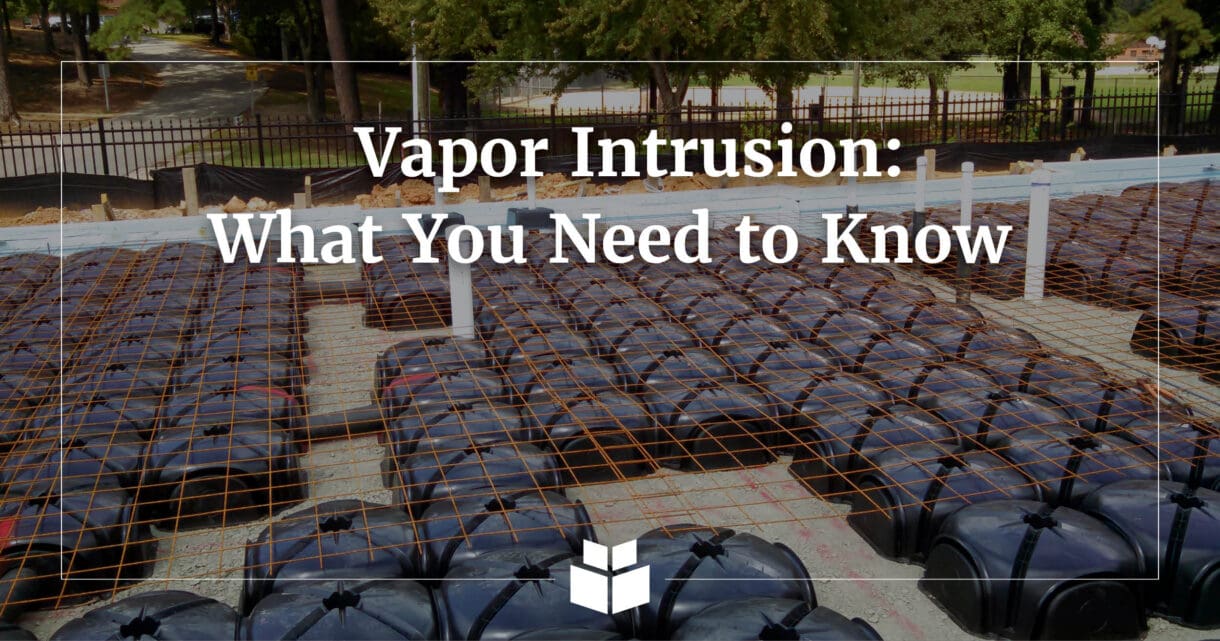
- Installing vapor barriers – Special non-porous synthetic sheeting, called “geomembrane,” is installed between soil and a building’s foundation or inside of a crawl space to block vapor intrusion.
- Constructing passive venting – Like water flowing downhill, intruding vapors will take the path of least resistance. Passive venting uses the void space between the soil and a building’s foundation to capture vapors and allow them to be moved out of the void space by wind or air pressure.
Read about the successful mitigation system at The Grove at Fallon Park in Raleigh, NC
Active mitigation methods
Active vapor intrusion mitigation methods work by creating a difference between the air pressure where vapors enter the building and the air pressure in the building as a whole. Vapors move from areas of higher pressure to areas of lower pressure. This process allows them to be directed out of the building. There are two primary methods of active vapor intrusion mitigation:
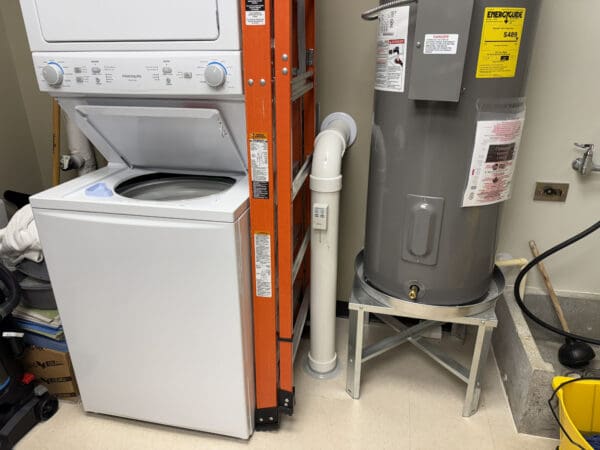
- Sub-slab depressurization – A small pit in the building slab or a perforated horizontal pipe installed below the slab are connected to a motorized electric fan that draws up vapors and blows them outside through vent piping that leads to the outside of the building.
- Building over-pressurization – The building’s heating, air conditioning, and ventilation systems are adjusted to increase the air pressure inside the building so that it is higher than the air pressure in the sub-slab area, creating a barrier to intrusion of vapors from the sub-slab area.

Are vapor intrusion mitigation methods safe and effective?
A correctly designed and installed vapor intrusion mitigation system is safe and effectively improves indoor air quality by blocking or removing harmful chemical vapors.
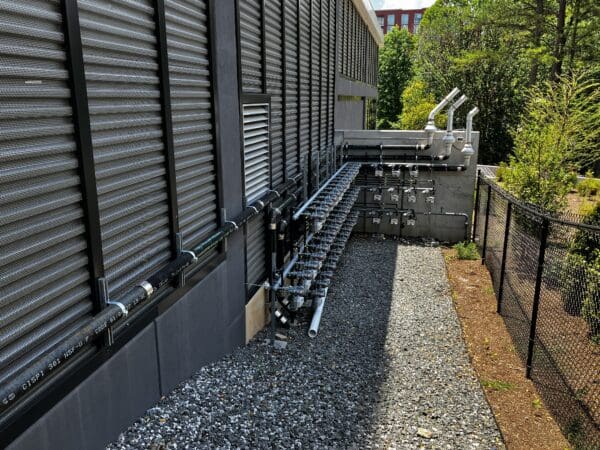
Mitigation systems should be checked regularly to verify that they are performing as designed. This may include collecting periodic vacuum pressure readings. It can also involve finding and filling new cracks in building foundations, reapplying sealants, and fixing holes or tears in geomembranes. It can also include repairing or replacing broken motors and fans.
The bottom line
Vapor intrusion can pose both immediate safety risks and short- and long-term health consequences. If you cannot remove soil and groundwater contamination that releases harmful vapors, mitigation can help. Passive and active vapor intrusion strategies can provide peace of mind. In this way, building occupants are protected.
Questions? Contact Our Experts


About the Author
Brian Bellis, LG, RSM