Written By:

What does innovation in pavement management actually look like on the ground?
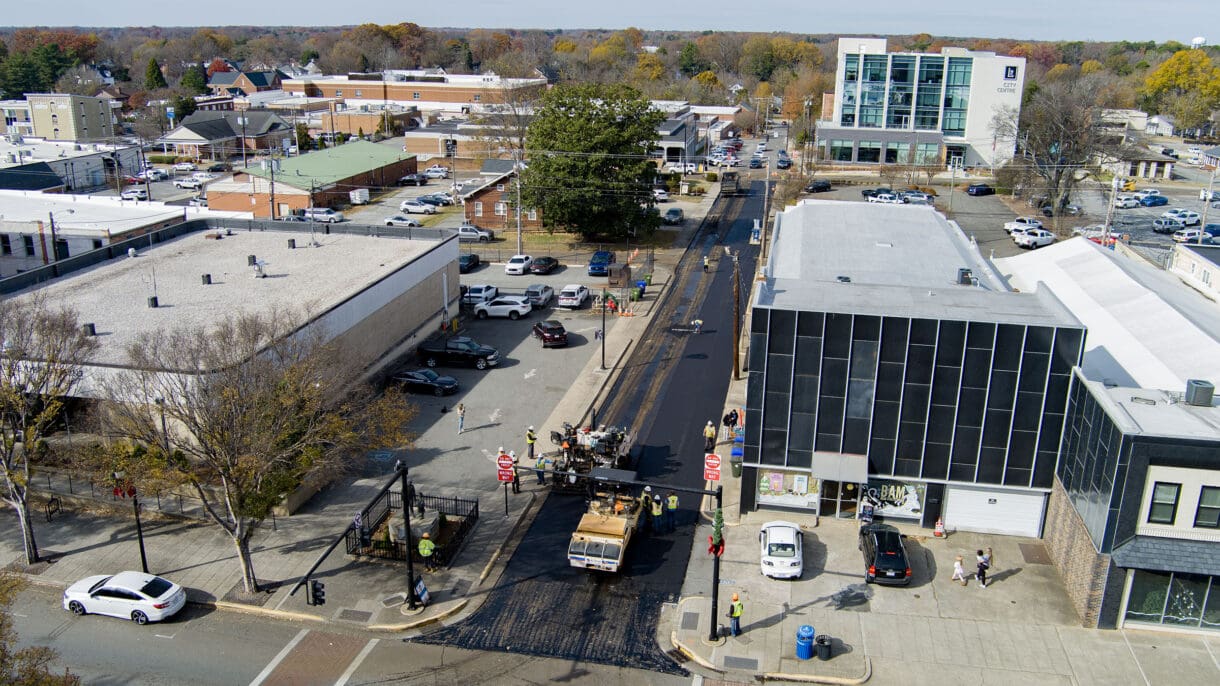
Earlier this month, WithersRavenel joined the City of Lexington in downtown Lexington to highlight a new approach to extending pavement life and reducing long-term maintenance costs. The event took place on West 3rd Street. It focused on Reflective Crack Relief Asphalt Interlayer (RCRAI), a forward-thinking solution designed to combat one of the most common roadway challenges: reflective cracking.
The day began with an on-site presentation by Phil Blankenship, President of Blankenship Asphalt Tech and Training (BATT). He shared insight into the science, performance, and field application of RCRAI systems. Joining him was Tim Hobbs of Surface Tech/Ace Fibers. He helped educate attendees on material performance, fiber reinforcement, and practical implementation considerations for agencies and contractors evaluating the technology.
What is RCRAI?
RCRAI uses a specialized asphalt mix with fine aggregates and aramid fibers, a material stronger than steel. This mix absorbs crack movement, creates a more durable surface, and helps pavements last longer. Today, the asphalt Reflective Crack Relief Interlayer (RCRI) is used in some form in states like Texas, Kentucky, Kansas, Wisconsin, Iowa, and New Jersey.
As communities continue searching for ways to control cracking and extend pavement service life, RCRI provides a proven option. It allows contractors to use local materials to build asphalt interlayers that control or delay cracking.
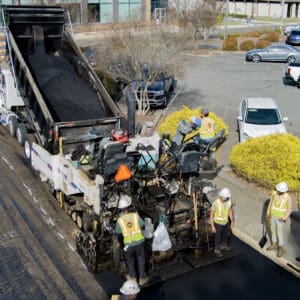
Real-time application
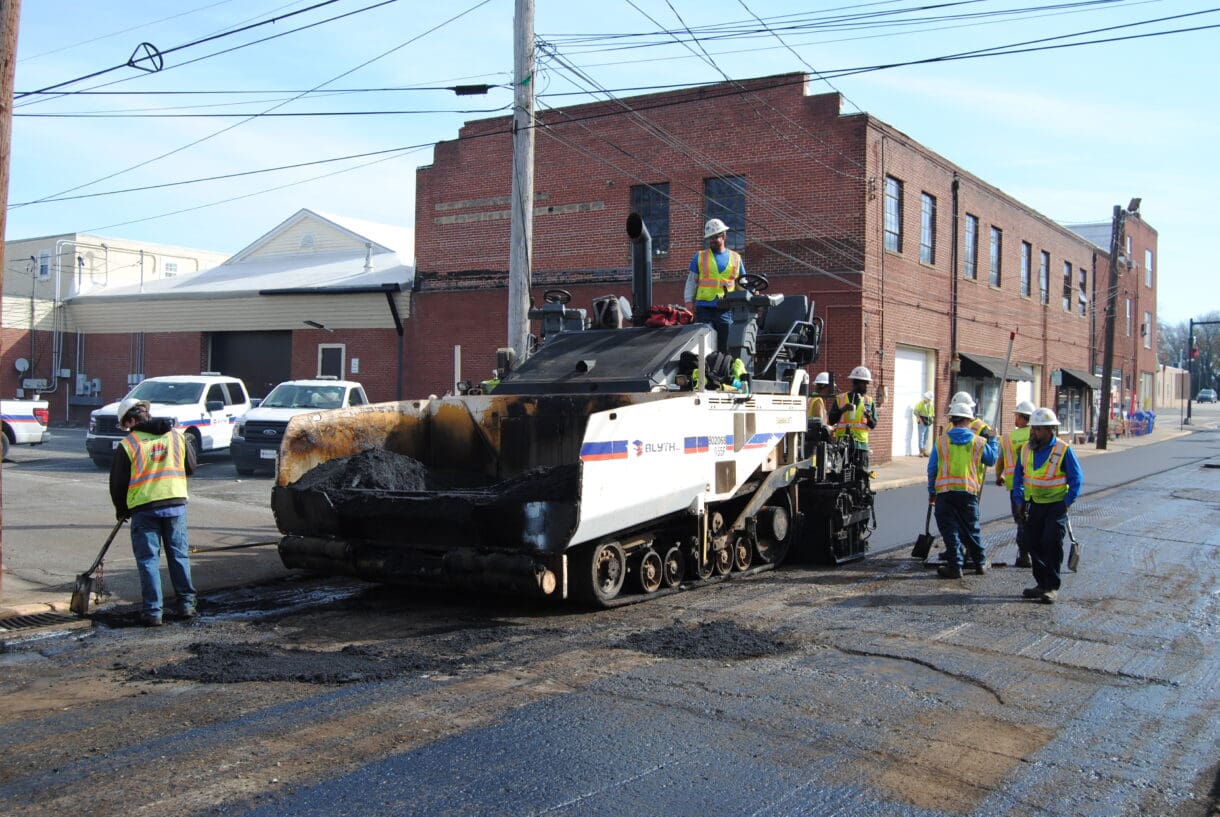
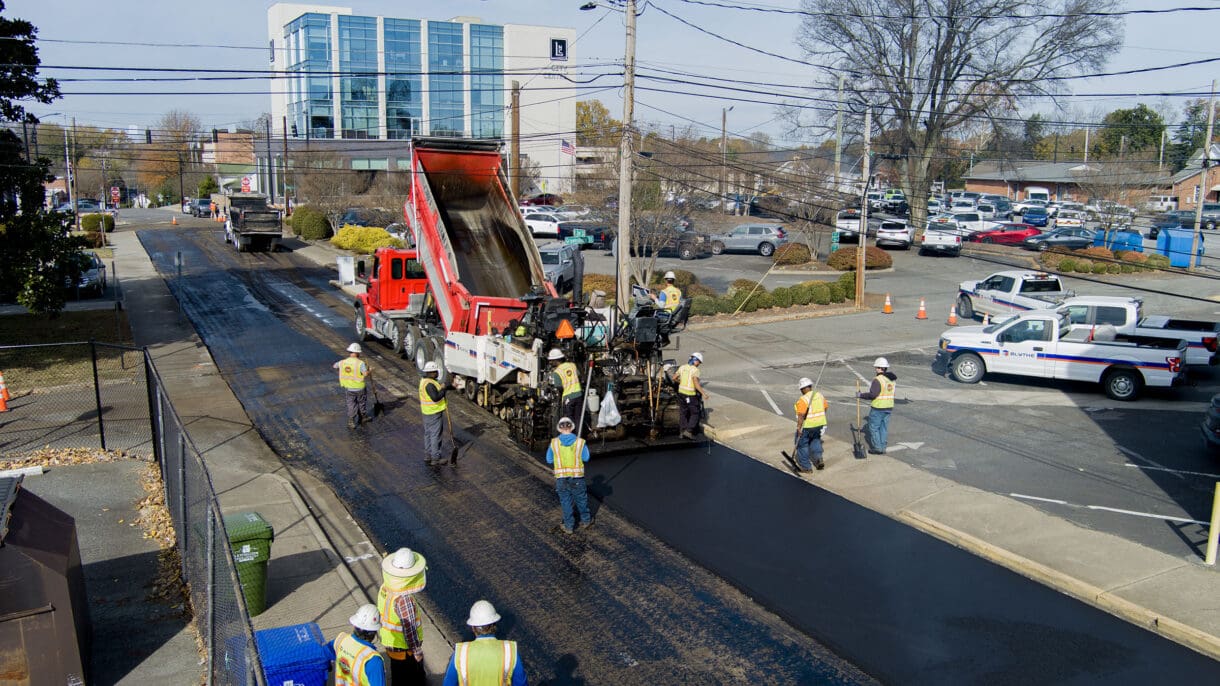
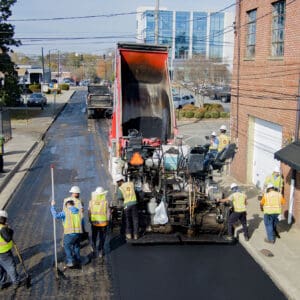
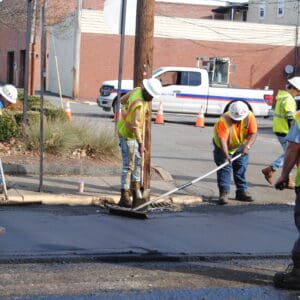
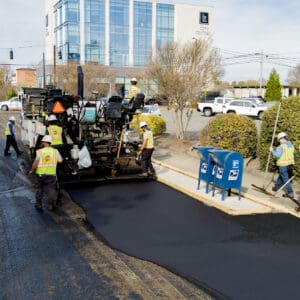
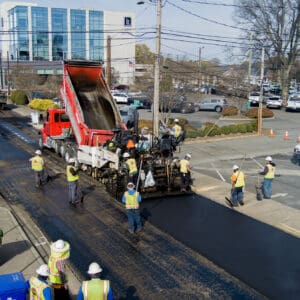
Following the presentation, attendees moved to West 3rd Street for an up-close examination of the treatment, which had already been placed by crews earlier. The group reviewed the installed layer and discussed performance expectations. They also assessed how the system could support Lexington’s long-term pavement management strategy. They did this before it is sealed as part of the final step in the process.
The City of Lexington’s approach reflects how communities across the region can thoughtfully explore emerging pavement management strategies. By taking time to evaluate new solutions like RCRAI within a real-world setting, Lexington is helping demonstrate the incorporation of these technologies. This aids in extending pavement life, managing costs, and supporting sustainable infrastructure investments.