Written By:

Proactive Planning for Stronger Communities
Public works leaders are often asked to do more with less. When it comes to pavement management, that challenge can be especially difficult. Communities must balance limited funding, aging infrastructure, rising construction costs, and growing expectations from residents, elected officials, and stakeholders.
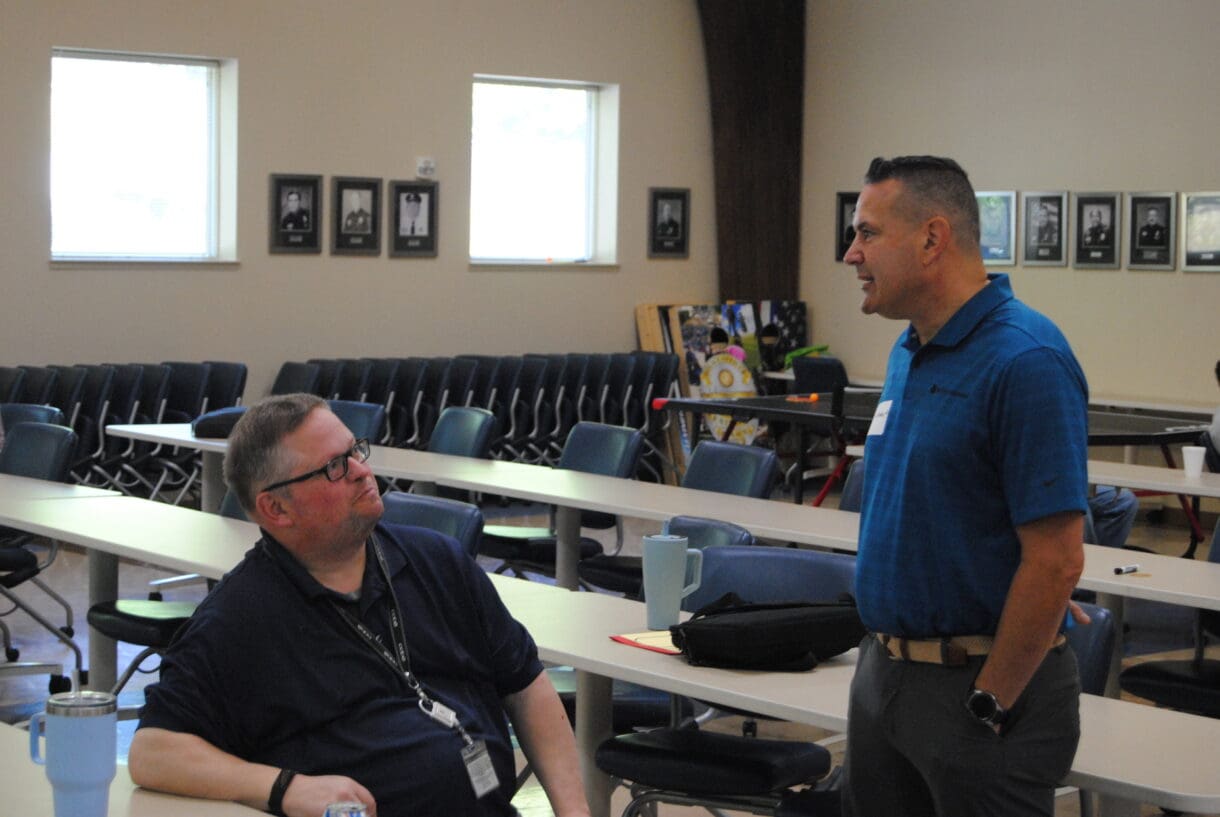
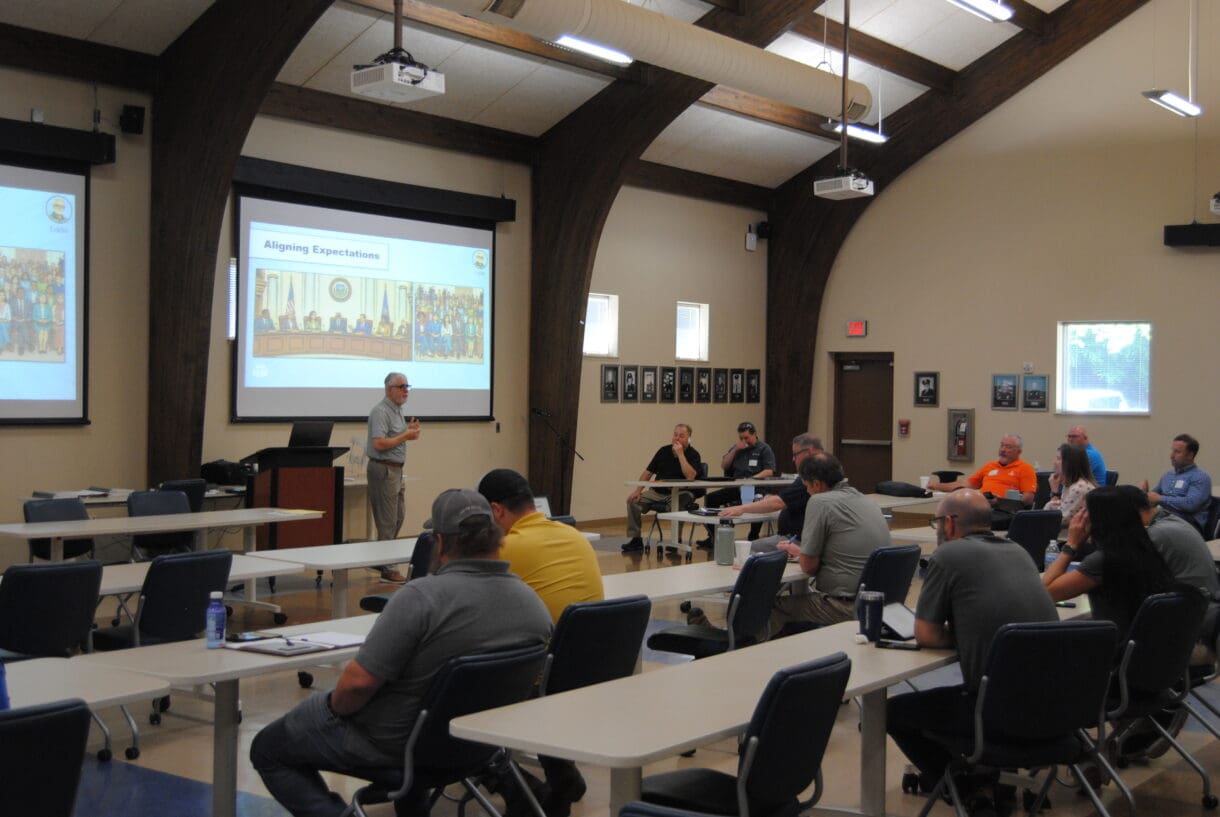
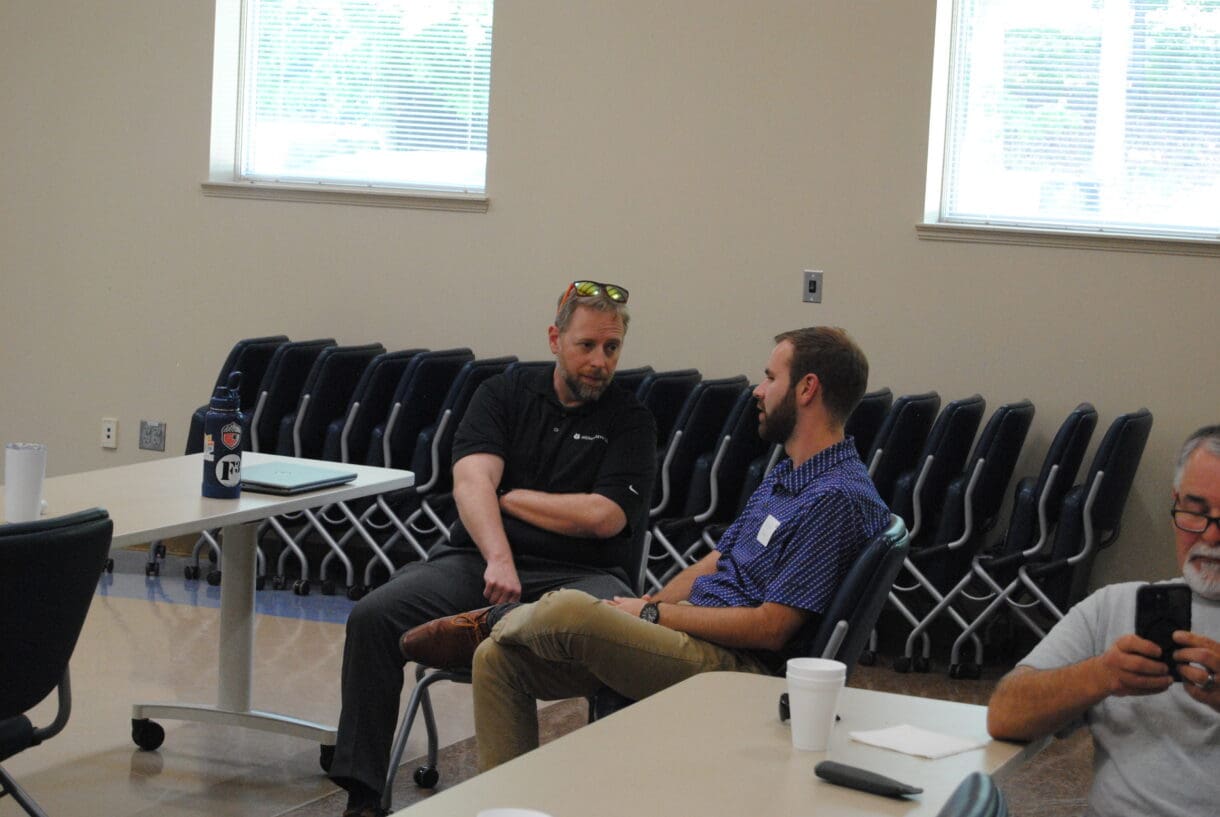
That was the focus of last week’s PaveCon workshop in Lexington, North Carolina, where WithersRavenel experts joined local government leaders, elected officials, public works directors, and asset management professionals for an in-person session on effective pavement management and strategic communication.
WithersRavenel Chief Growth Officer Eddie Staley, PLS, GISP, kicked off the event by welcoming attendees and setting the stage for a conversation centered on proactive infrastructure planning, innovative pavement solutions, and the importance of helping communities understand the value behind their investments.
Why Lexington Was the Right Setting
Gathering in Lexington was especially significant. The City has taken a proactive approach to infrastructure asset management and pavement solutions, making it a fitting location for a conversation about effective pavement management, lifecycle planning, and long-term roadway performance.
Last year, Lexington partnered with WithersRavenel to host two special demonstrations showcasing innovative pavement technologies and treatment options. Those demonstrations highlighted new approaches that can help extend the life of roadway infrastructure, improve long-term performance, and support the surrounding community.
Explore Highlights from Last Year’s Events
Pavement Preservation Lunch & Learn Held in Lexington, NC
Innovation in Action: Lexington Examines New Pavement Management Solution
By returning to Lexington for PaveCon, attendees were able to connect the broader conversation around pavement management to a community already exploring proactive, practical, and innovative solutions. The setting reinforced a central theme of the workshop: communities can make more informed infrastructure decisions when they pair technical expertise with clear goals, long-term planning, and a willingness to evaluate new approaches.
The Purpose of a Pavement Management Program
Rather than reacting to pavement issues as they arise, attendees discussed how agencies can define clear objectives, plan effectively, and align desired outcomes with the most appropriate maintenance and rehabilitation treatments. The session walked through the full lifecycle of pavement management, from early-stage planning to implementation, and highlighted how intentional decision-making can help communities make their available dollars go further.
WithersRavenel’s Rob Holland, Pavement Project Consultant, took time to explain the purpose of a pavement management program and how it supports more informed, strategic decision-making.
“As long as we are reactive, we are behind the game,” Holland said.
Using WithersRavenel’s pavement circle of success, Holland helped convey that pavement management is not a one-time activity. It is an ongoing process that requires attention, dedication, and consistent evaluation.

Roads, Residents, and Economic Activity
A successful pavement management program plays a vital role in the life of a community. Road conditions directly affect residents’ daily experiences, but they also influence business, commerce, emergency response, and overall community connectivity. When local governments have a clearer understanding of their roadway conditions, future needs, and available treatment options, they can move beyond short-term fixes and make decisions that improve performance over time.
The workshop also featured an expert-led discussion on innovative pavement treatment technologies, including preventive maintenance, preservation, rehabilitation, and reconstruction techniques. Presenters discussed when different treatments should be used and how agencies can maximize limited budgets without sacrificing quality.
Using Lifecycle Planning and Lifecycle Modeling
Becca Ruffin, WR Technologies Director, added insight into the technical and engineering components of pavement management through lifecycle planning and lifecycle modeling. These tools can help local governments identify weak points across their infrastructure systems, evaluate future needs, and prepare financially for asset repairs and improvements in a more sustainable way.
By using lifecycle planning and lifecycle modeling, communities can better understand not only what needs attention today, but what may require investment years down the road. That visibility allows local governments to prepare, prioritize, and make infrastructure decisions that are financially responsible and aligned with long-term community goals.
Connecting Technical Decisions to a Community Story
One key theme throughout the session was the importance of connecting technical decisions to a broader community story. Pavement management is not only about completing projects. It is also about helping residents, elected officials, and decision-makers understand why investments are needed, how priorities are set, and what long-term value those investments create.
By tracking performance and measuring results over time, communities can better demonstrate the impact of their pavement programs. That visibility helps build trust, support future funding conversations, and show how proactive planning leads to stronger infrastructure outcomes.
Key Takeaways from PaveCon
WithersRavenel’s Eddie Staley, Rob Holland, and Becca Ruffin were among the workshop speakers, alongside Tim Hobbs of SurfaceTech. Together, they shared real-world insights on lifecycle planning, lifecycle modeling, pavement management, infrastructure asset management, treatment selection, technology, and performance tracking.
Key takeaways from the workshop included:
- Proactive pavement management leads to better long-term performance and cost savings than reactive approaches.
- Clear planning and alignment of outcomes are critical to selecting the right treatments.
- Innovative technologies can extend pavement life and optimize budgets.
- Strategic decision-making allows agencies to stretch available funding and accomplish more work.
- Successful programs focus not just on completing work, but on tracking results and performance over time.
Building More Resilient Roadway Networks
As communities continue to navigate infrastructure needs and funding challenges, pavement management programs provide a path toward smarter decision-making, stronger communication, and more resilient roadway networks.
Through pavement management, infrastructure asset management, lifecycle planning, and lifecycle modeling, local governments can better understand where they are today, where their systems are headed, and how to make sustainable decisions for the future.
To learn more about WithersRavenel’s pavement management, asset management, and infrastructure planning services, visit our Infrastructure Asset Management page.





Want to Learn More About Effective Pavement Management?